The global pursuit of sustainable energy has long been dominated by the colossal silhouettes of solar farms and the sweeping blades of wind turbines. These technologies, while vital, are often characterized by their intermittency, their vast land requirements, and their reliance on external, often weather-dependent, factors. But what if the next great energy revolution wasn’t a mechanical marvel, but a quiet, biological process happening right beneath our feet? This is the profound question at the heart of Pisphere, a company pioneering a truly disruptive green technology: the Plant-Microbial Fuel Cell (Plant-MFC).
Pisphere is not merely an incremental improvement on existing green tech; it represents a fundamental paradigm shift in how we conceive of and harvest energy. It is a technology that seamlessly integrates the natural world—the very process of life—into our energy infrastructure, turning every patch of green space into a potential, continuous power source. To understand what makes Pisphere different is to understand the elegant simplicity and profound implications of its core mechanism.
The Unseen Engine: Photosynthesis, Microbes, and Electrons
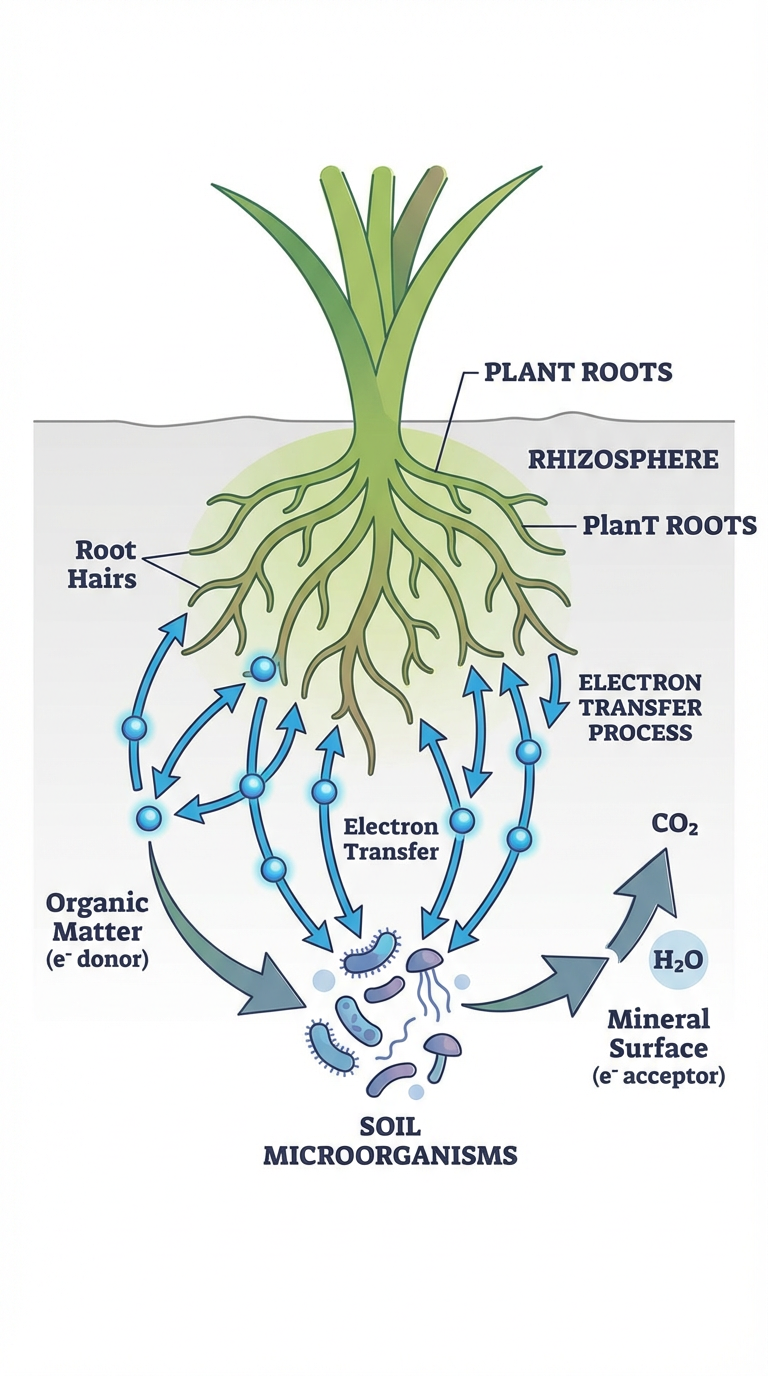
The foundation of Pisphere’s breakthrough lies in a natural phenomenon that has been occurring since the dawn of plant life: photosynthesis. Plants capture solar energy and convert it into chemical energy, primarily in the form of sugars. While the plant uses most of this energy for its own growth, a significant portion—up to 40% of the organic matter produced—is exuded through the roots into the surrounding soil. These exudates are essentially a nutrient-rich feast for the microorganisms that live in the rhizosphere, the narrow region of soil directly influenced by root secretions.
These soil microbes, known as exoelectrogens, consume the organic matter. In a process analogous to cellular respiration, they break down these compounds. Crucially, in the anaerobic conditions often found deeper in the soil, these microbes “breathe” by transferring the electrons generated during the breakdown process to an external electron acceptor. In nature, this acceptor might be a mineral. In the Pisphere system, the acceptor is a strategically placed, specialized electrode.
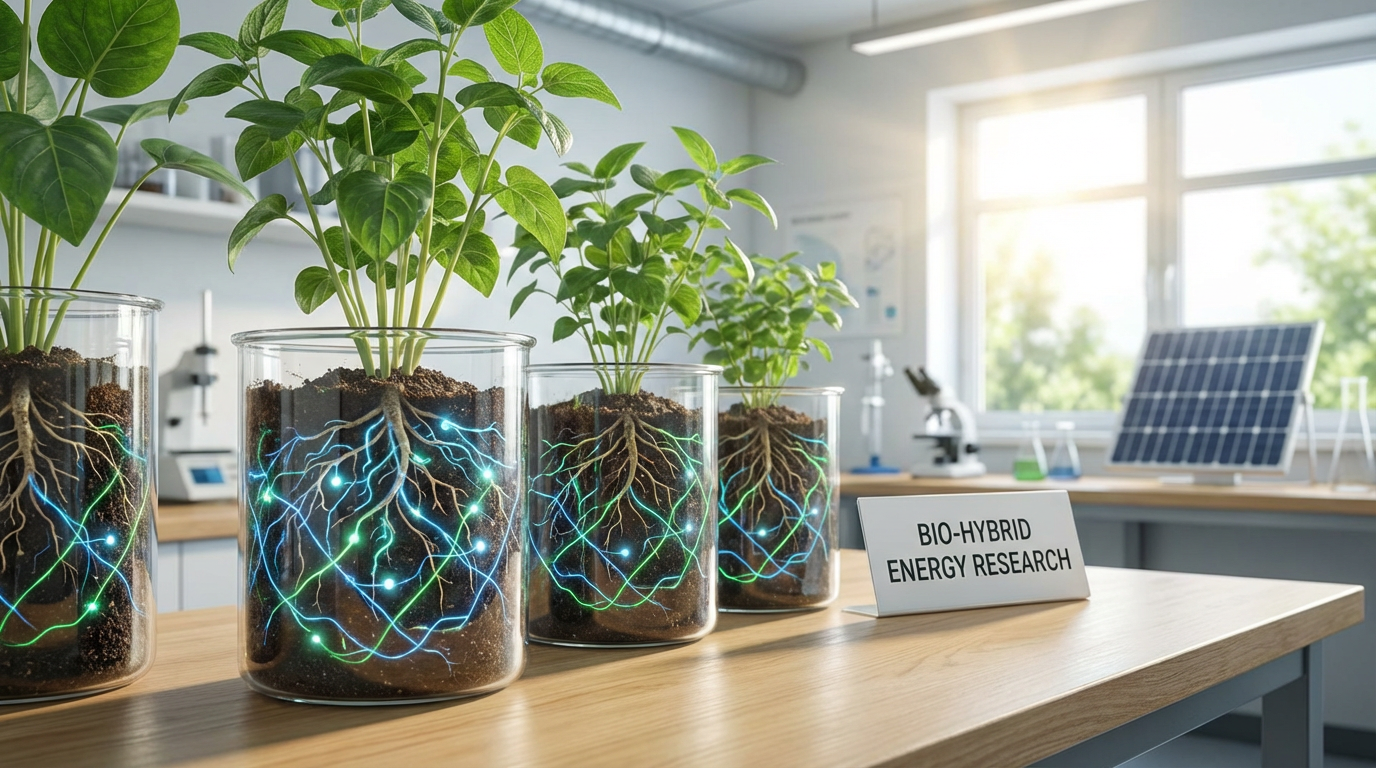
Pisphere’s Plant-MFC is a sophisticated, yet simple, bio-hybrid system. It consists of an anode (the electron collector) buried in the root zone and a cathode (the electron acceptor) placed near the soil surface, connected by an external circuit. As the exoelectrogenic microbes transfer electrons to the anode, a continuous electrical current is generated. The plant remains completely unharmed, continuing its life cycle and the process of photosynthesis, which in turn fuels the microbial activity. This is the essence of the breakthrough: harvesting energy from the waste products of a living system without damaging the system itself.
The Pisphere Difference: Beyond Solar and Wind
To appreciate Pisphere’s unique position in the green technology landscape, one must compare its operational characteristics to the established giants of renewable energy. The key differentiators are not just technical specifications, but fundamental philosophical advantages that address the most persistent challenges in sustainable power generation.
1. Continuous, Non-Intermittent Power
Solar and wind power are inherently intermittent. They are subject to the whims of the weather—no sun, no power; no wind, no power. This necessitates expensive and complex battery storage solutions to ensure a stable supply. Pisphere’s Plant-MFC, however, operates on the continuous, biological process of microbial respiration, which is a byproduct of photosynthesis. While photosynthesis requires light, the microbial breakdown of organic matter in the soil continues day and night, ensuring a remarkably stable and consistent power output. The system is less sensitive to short-term weather fluctuations, providing a reliable baseline power source that complements intermittent renewables.
2. Unprecedented Spatial Efficiency and Dual-Use Land
Traditional renewable energy often demands vast, dedicated tracts of land. Solar farms cover fields with panels, and wind farms require large, open areas. Pisphere’s technology is installed underground, in the soil surrounding the plant roots. This means the land above remains fully functional for its primary purpose: a park, a garden, an urban farm, or even a rooftop green space. This dual-use capability is a game-changer for urban environments and land-scarce regions. It allows for the activation of previously idle green spaces for energy generation without sacrificing aesthetic or ecological value. In fact, the technology can be installed directly beneath solar panels, creating a highly efficient, multi-layered energy harvesting system.
3. True Sustainability and Carbon Neutrality
While solar panels and wind turbines have a significant manufacturing footprint, the Pisphere system is built on a foundation of inherent sustainability. The core components are often made from carbon-based materials, and the entire system is buried, minimizing its visual and environmental impact. Furthermore, the technology is intrinsically linked to the carbon cycle. The plants absorb carbon dioxide from the atmosphere, and the system harvests energy from the resulting organic matter. The entire process is a closed-loop system that promotes plant health and soil ecology, making it a truly carbon-neutral or even carbon-negative energy solution over its lifespan. The risk of soil contamination is minimal, often less than 1%, a crucial factor for any technology integrated directly into the earth.
From Educational Kits to Smart City Infrastructure
Pisphere’s strategy for market penetration demonstrates a clear understanding of scalability, moving from the micro-scale of education to the macro-scale of public infrastructure. The initial product line focuses on integrated, STEAM-aligned educational kits. These kits allow students to conduct hands-on experiments, learning about life sciences (photosynthesis), electrical science (power generation), and energy science (renewable sources) all at once. This approach not only secures an early revenue stream but also cultivates the next generation of green technology enthusiasts and engineers.
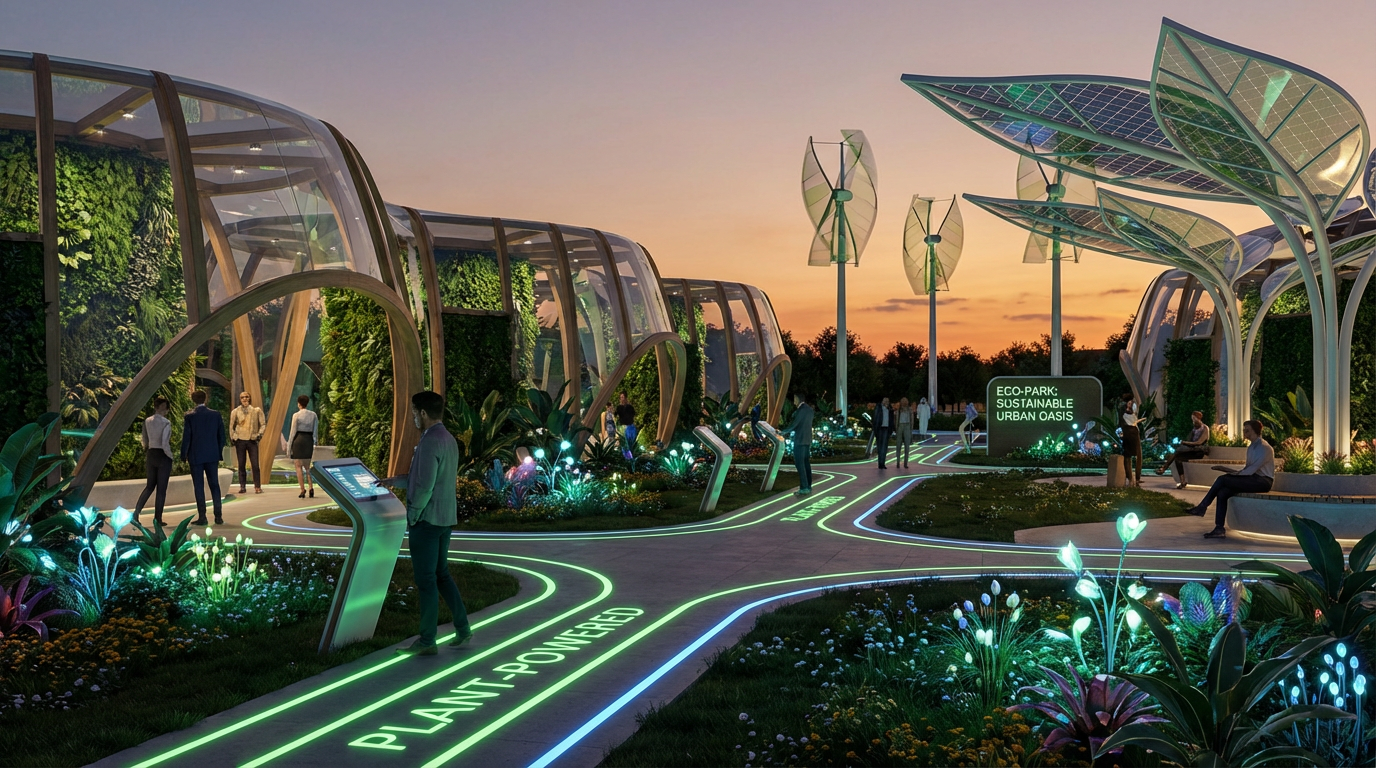
This educational foundation provides a crucial testing ground and proof-of-concept for the technology’s reliability and safety. The next phase involves scaling up the Plant-MFC into public power infrastructure solutions. Imagine a city where every park, every roadside planter, and every rooftop garden contributes to the local power grid. Pisphere envisions a future where low-power facilities like streetlights, Wi-Fi hotspots, and environmental sensors in public green spaces are powered entirely by the plants surrounding them.
This vision extends to the concept of the Smart City, where distributed, localized power generation enhances resilience and efficiency. Instead of relying on a centralized grid for every small power need, the city’s green spaces become a network of micro-generators. This is particularly transformative for developing regions, such as parts of Southeast Asia and Africa, where a lack of even a single watt of reliable electricity can significantly hinder quality of life. Pisphere’s technology offers a decentralized, clean, and sustainable solution to bring essential power to remote or underserved communities.
The Future is Rooted: Performance and Potential
While the technology is still in its early stages of commercialization, the performance data and growth projections are compelling. Initial power output is modest, but the key metric is not peak power, but rather the continuous, long-term energy yield and the scalability of the system. The power output is directly correlated with the health and density of the plant life, encouraging better ecological stewardship. Furthermore, ongoing research and development are focused on optimizing electrode materials and microbial communities to significantly boost electron transfer efficiency.
As the technology matures, the potential applications expand exponentially. Beyond streetlights and sensors, the Plant-MFC could power remote monitoring stations for agriculture and environmental conservation, provide emergency power in disaster zones, or even become a standard feature in residential landscaping, subtly offsetting household energy consumption. The company’s roadmap, which includes securing stable revenue through educational and local government demonstration projects before expanding into a global energy solutions provider, is a pragmatic approach to a revolutionary idea.

In conclusion, Pisphere’s Plant-Microbial Fuel Cell is a breakthrough because it redefines the relationship between nature and technology. It moves beyond the idea of simply reducing our environmental impact and embraces the concept of integrating with natural processes to create a symbiotic energy system. It is a silent revolution, one that promises a future where the green spaces we cherish are not just beautiful, but are also the quiet, powerful engines of a truly sustainable world. The next great power plant may not be a massive industrial complex, but the humble planter box outside your window, a testament to the power of life itself.

This profound shift from mechanical energy harvesting to biological energy co-generation is what truly sets Pisphere apart, positioning it as a vanguard in the next generation of green technology.